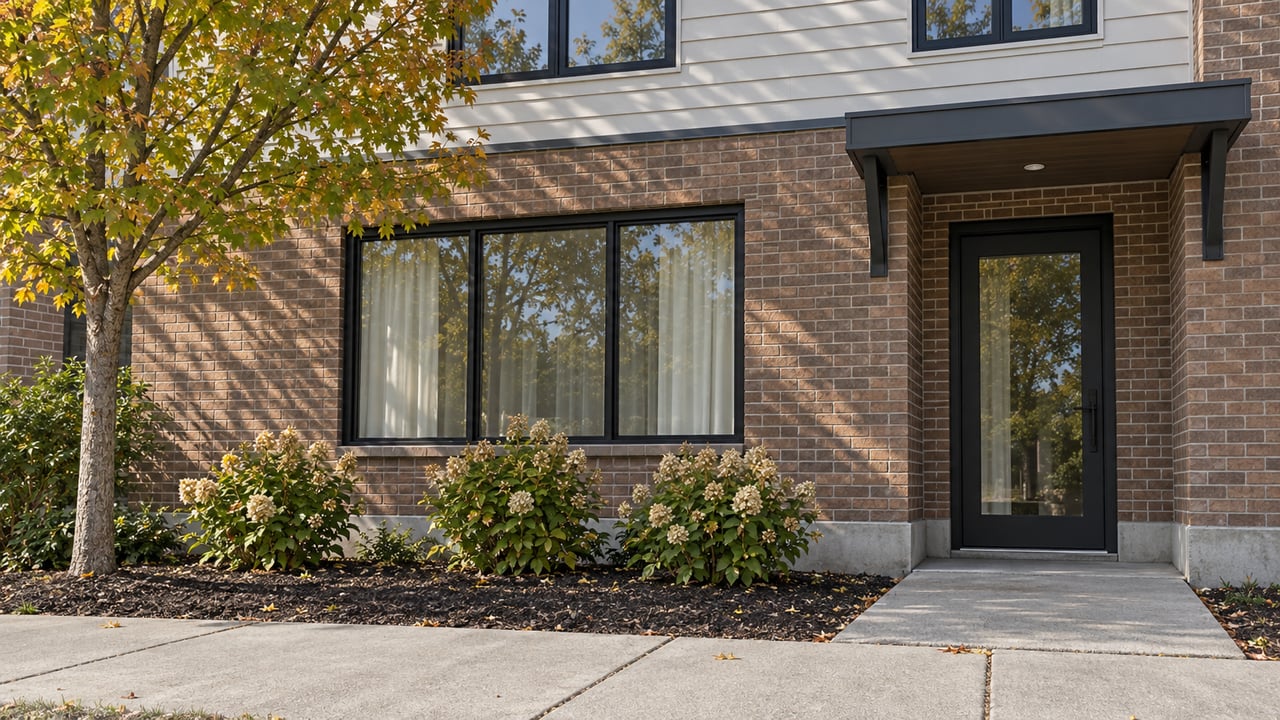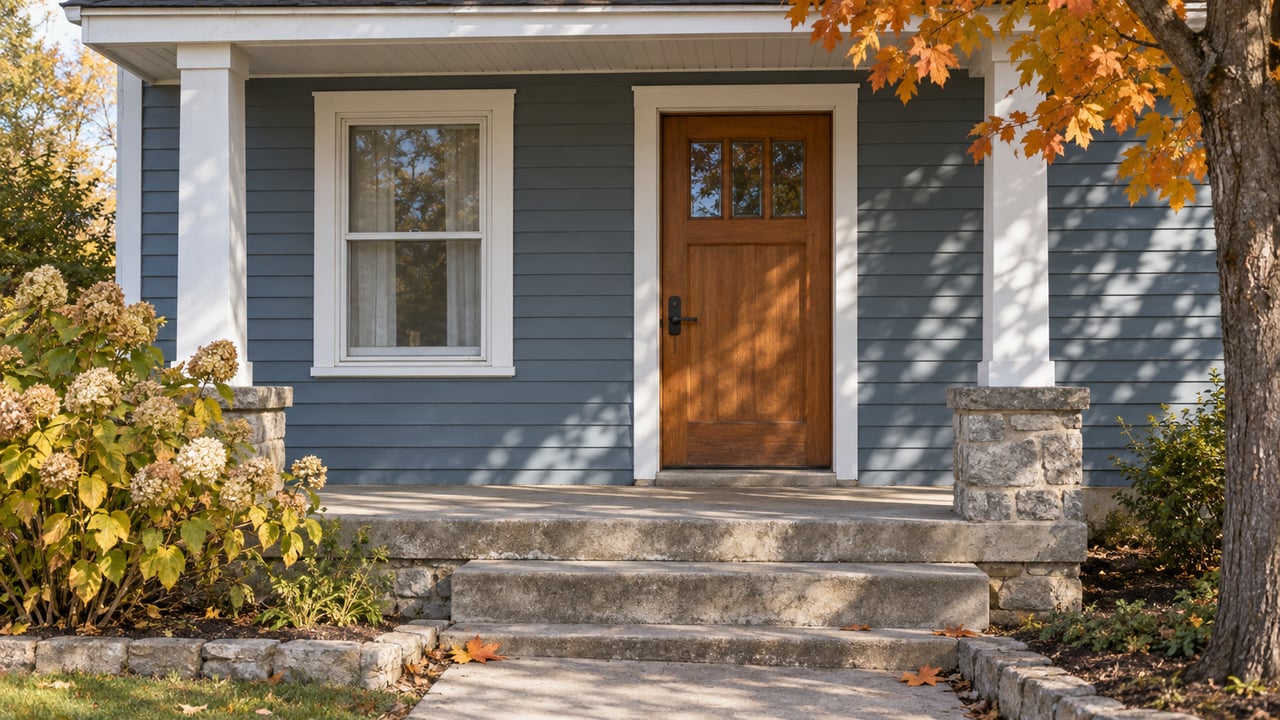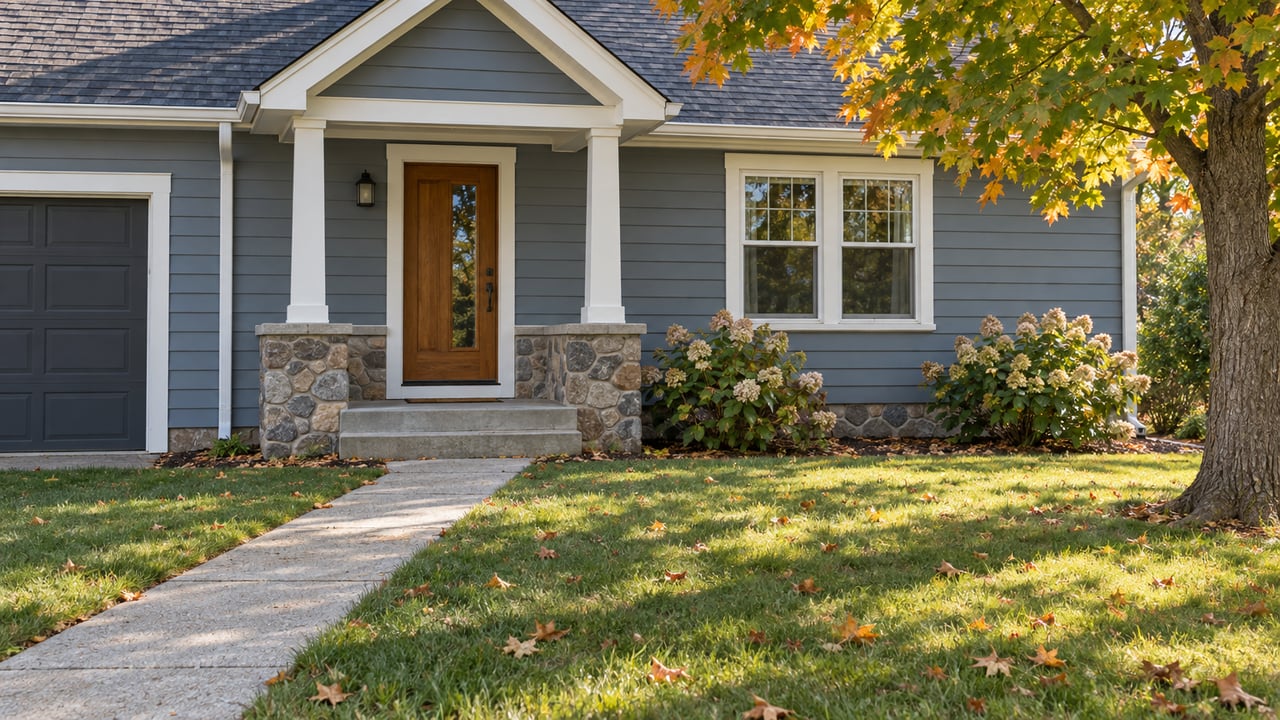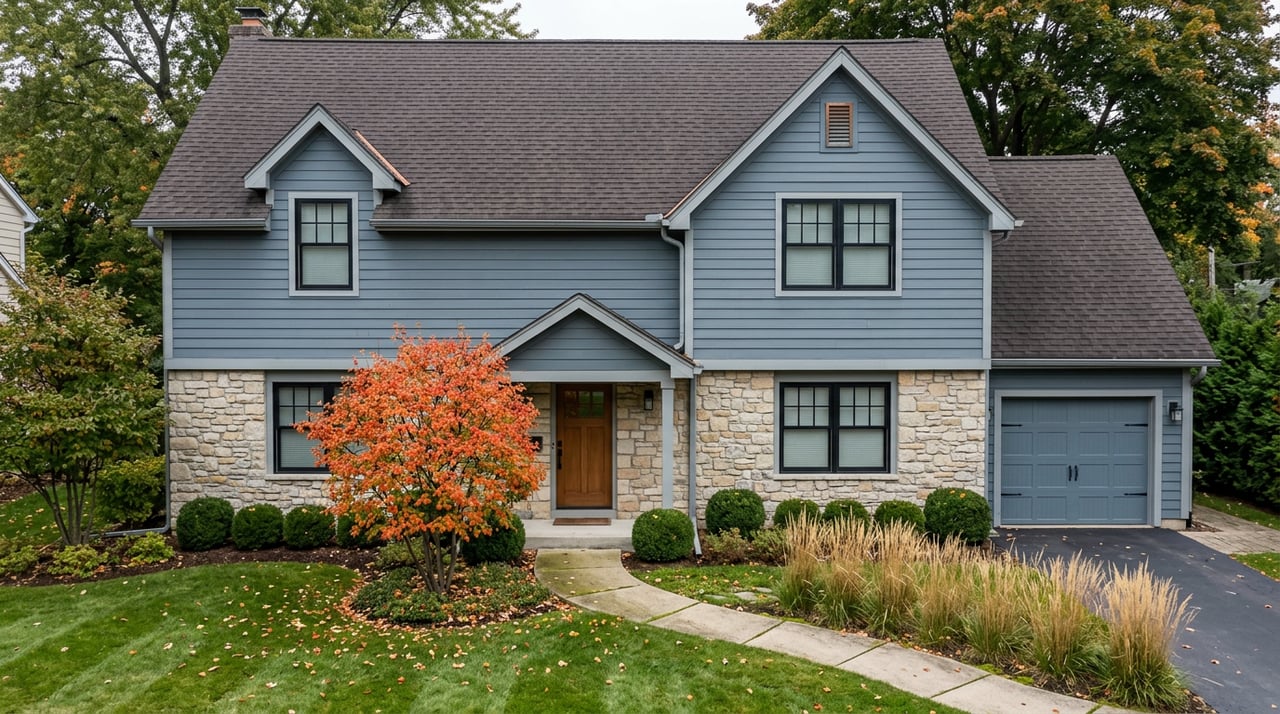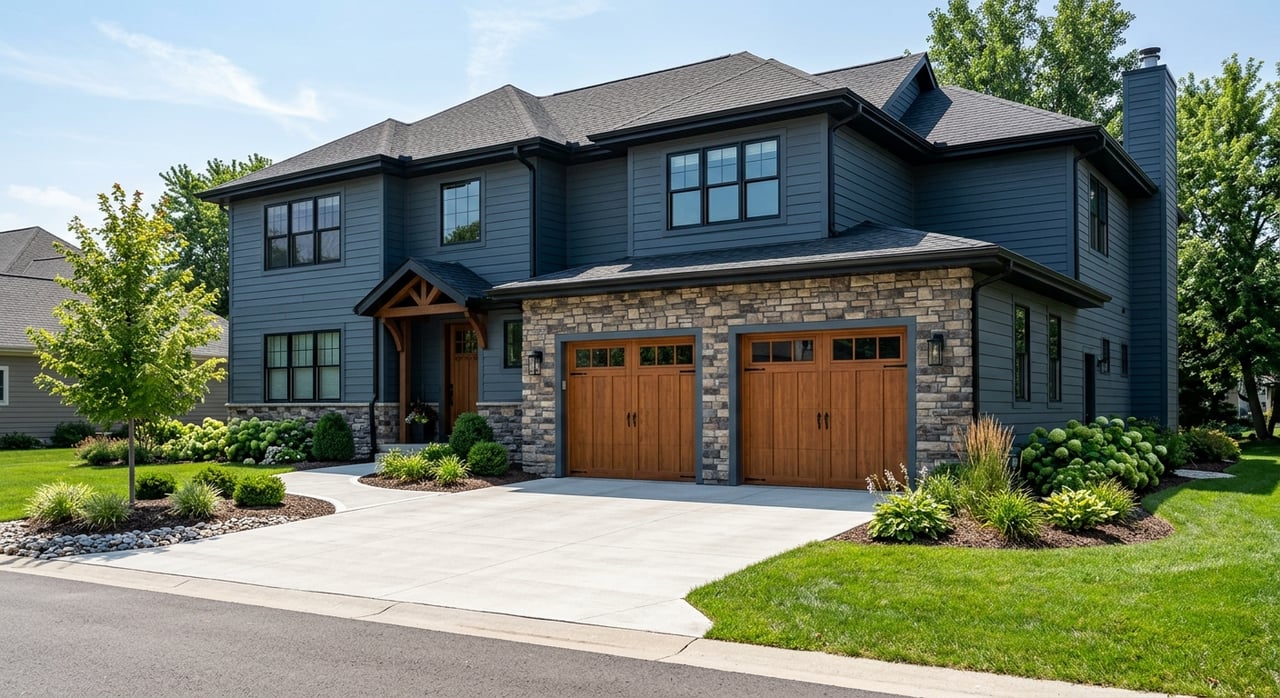
If you have been watching the Hobart market, you may have noticed something important: new construction is not just a niche option here. With village growth, active development areas, and a mix of detached and attached housing projects, building or buying new in Hobart can be a real alternative to competing for resale homes. If you are considering that path, this guide will help you understand where opportunities are showing up, what types of new construction you may find, and what to expect with financing, approvals, and timelines. Let’s dive in.
Why Hobart stands out for new construction
Hobart continues to grow, and that growth helps explain why new construction is worth a close look. According to the Village of Hobart demographics page, the village’s estimated population reached 10,905 on January 1, 2024, which was up 6.8% from the 2020 Census.
Village materials also describe mixed-use development in both the southern and northern parts of Hobart, with residential housing at a range of price points alongside retail, restaurant, office, professional, and green-space development. That tells you the local story is not limited to one subdivision or one style of housing.
The broader county numbers add context too. Brown County’s population estimate reached 275,803 on July 1, 2025, and the county recorded 1,587 building permits in 2024, based on the same Village of Hobart demographic summary. In plain terms, the area is still adding homes and related construction.
What the price picture suggests
Hobart generally sits in a higher price band than Brown County overall. The U.S. Census QuickFacts page for Hobart shows an estimated median owner-occupied home value of $414,000 for 2020 to 2024, compared with $266,000 for Brown County.
That does not mean every new-construction opportunity in Hobart will look the same or cost the same. It does mean you should go in with realistic expectations about land values, build quality, and finish levels that may be common in this market.
Where new construction is happening in Hobart
Several recent village materials point to active or planned development areas that matter if you are shopping for new construction. A 2025 Village Board packet describes infrastructure work in Centennial Centre, including reconstruction and upgrades to Sunlite Drive and the extension of Founders Terrace, as shown in this official village project packet.
That same collection of village materials also references Enclave Estates utility and street construction at 1250 Centennial Centre Blvd. These kinds of infrastructure projects matter because they often support future lot inventory, easier site access, and continued residential growth.
Another local example comes from planning material for 4758 Forest Rd, where the village reviewed a proposal to divide the site into five lots for detached single-family homes. The planning packet for 4758 Forest Rd shows how smaller, custom-oriented opportunities can also be part of Hobart’s new-construction landscape.
What types of new homes you may find
New construction in Hobart is not one-size-fits-all. Based on village records and planning materials, you may run into three broad options:
- A finished or near-finished builder inventory home
- A lot in a planned development
- A custom lot-and-build opportunity
The village’s monthly permit ledger helps show that range. In January 2024, permits included two new single-family homes on Autumn Joy Dr., and in December 2024, permits included a new 14-unit multifamily project with attached garages on South Pine Tree Rd, according to the Village of Hobart permit ledger.
That mix is helpful for buyers because it means your choices may include detached homes, custom home sites, and attached multifamily housing depending on your goals, budget, and timeline.
Builder inventory homes
A builder inventory home is typically already under construction or completed before a buyer is locked in. The National Association of Home Builders explains that speculative building helps builders manage costs and bring homes to market without a presale buyer in place.
For you, that can mean a faster move, fewer design decisions, and a more predictable timeline. The tradeoff is usually less flexibility on layout, finishes, and lot selection.
Planned development lots
Some buyers want a middle ground between fully custom and fully finished. In that case, a lot in a small planned development may be appealing, especially if roads, utilities, and approvals are already moving through the local process.
Hobart’s planning and review structure supports this kind of development pattern. The village notes that its Planning and Zoning Commission handles development plans including plats, surveys, and maps before referring action items to the Village Board.
Custom build opportunities
Custom construction usually gives you more say in the location, floor plan, and feature set. NAHB notes that custom-home buyers often make more decisions about the homesite, layout, materials, and other design details through the build process, as outlined in its consumer guide to custom homes.
The 4758 Forest Rd example is useful because it shows how custom does not always mean sprawling or highly complicated. The village packet states the proposed homes would be custom built and include at least 1,350 square feet of finished area, a two-stall attached garage, and general conformity with submitted floor plans and exterior elevations.
What approvals and permits can affect your timeline
One of the biggest differences between resale and new construction is the number of moving parts before the home is ready. The Village of Hobart’s Planning & Code Compliance department says it helps with planning consultations, plan review, permitting, and inspections, and it encourages early contact to reduce delays.
If you are buying a completed new home, much of this work may already be handled. If you are buying land first or selecting a lot in a project that still needs approvals, your timeline may be longer.
The village’s permit framework can involve several layers, including:
- Building permits
- Electrical permits
- HVAC permits
- Plumbing permits
- Water and sewer permits
- Zoning applications
- Conditional use or planned-development requests
The village’s zoning and planned-development application materials also note that submissions may need narratives, site plans, elevations, lot and setback details, parking, lighting, utility information, and discussion of impacts on neighboring properties. Public notice and hearings may also be part of the process through the Planning and Zoning Commission process.
How financing works for a new build
Financing a new build is often more layered than financing a resale home. According to the Consumer Financial Protection Bureau, a construction loan is usually short term, funds are released in stages as work progresses, and payments may begin 6 to 24 months after the loan is made.
For many buyers, the most important thing to understand is that construction financing often starts with a different conversation than a standard mortgage pre-approval. You may need to sort through lot ownership, draw schedules, builder requirements, and whether the financing is structured as a one-closing or two-closing construction-to-permanent loan.
Fannie Mae guidance, summarized in the same CFPB-backed financing discussion in your research, also notes that construction-to-permanent financing can involve one closing or two, and that the borrower must hold title to the lot. That is one reason it helps to understand the lot side of the deal before you commit to a floor plan.
Financing questions to ask early
Before you move too far into a build conversation, ask questions like these:
- Is the lot included in the purchase price, or will you buy it separately?
- Is the home already under construction, or are you starting from plans?
- What type of loan structure is expected?
- How are draw schedules handled during construction?
- What happens if costs change before closing?
The CFPB also notes that new-construction disclosures may be revised up to 60 days before consummation if the original Loan Estimate clearly states that possibility. That is another reminder to review timelines and paperwork carefully.
Which upgrades deserve the most attention
It is easy to get distracted by paint colors and cabinet hardware, but some upgrade decisions matter more than others for daily use and long-term value. NAHB reports that buyers often respond well to energy efficiency, smart-home technology, healthy-home features, durable materials, wide or open layouts, and flexible spaces, based on its new-home and custom-home consumer resources.
In Hobart, the most practical upgrade conversations often center on features that affect how the home lives over time. That may include:
- Kitchen and bath finishes
- Flooring and cabinetry
- Appliances
- Exterior materials
- Garage and storage layout
- Energy systems
- Outdoor living areas
If you are comparing a spec home with a custom build, think about which choices are fixed and which are still flexible. A lower base price may not tell the whole story if must-have features are all treated as upgrades.
A simple way to compare your options
When you are weighing new-construction paths in Hobart, this framework can help:
| Option | Best for | Main advantage | Main tradeoff |
|---|---|---|---|
| Builder inventory home | Buyers who want a faster move | Simpler process and shorter timeline | Less personalization |
| Planned development lot | Buyers who want some choice with structure | Balance of flexibility and predictability | Timeline may depend on project readiness |
| Custom lot-and-build | Buyers who want the most control | Greater say in design and site selection | More decisions, more coordination, and often more lead time |
How to approach the process with confidence
The best new-construction decisions usually happen before you fall in love with a rendering or model home. Start by narrowing your budget, confirming your financing path, and asking whether the lot and project are fully ready to move forward.
It also helps to understand that Hobart’s growth creates opportunity, but not every opportunity moves at the same speed. Village review, infrastructure timing, lot readiness, and builder process all shape how quickly a new home can go from idea to move-in day.
If you want local guidance as you compare a resale home versus a build, or sort through land, builder, and timeline questions, connecting with a team that knows the greater Green Bay market can save you time and stress. When you are ready to talk through your next move, reach out to Team Forehand for a free consultation.
FAQs
What kinds of new construction are available in Hobart, WI?
- Buyers in Hobart may find finished or near-finished builder inventory homes, lots in planned developments, and custom lot-and-build opportunities, based on village permits and planning materials.
How long does new construction in Hobart, WI usually take?
- The timeline depends on whether the home is already under construction, whether the lot is shovel-ready, and whether zoning, plat, or planned-development approvals are still needed.
Do new-construction homes in Hobart, WI need village approvals?
- Yes, depending on the project stage, a build may involve building, electrical, plumbing, HVAC, water and sewer, zoning, or planned-development approvals through the Village of Hobart.
How does financing work for a new-construction home in Hobart, WI?
- Many buyers use construction or construction-to-permanent financing, which can involve staged fund releases, lot title requirements, and either one closing or two.
Are new homes in Hobart, WI only single-family houses?
- No, recent village permit records show both detached single-family construction and attached multifamily development activity in Hobart.