Torn between East and West De Pere? You are not alone. Many buyers choose De Pere first, then discover that life on each side of the Fox River can feel a little different. This guide breaks down what changes from east to west, what stays the same, and how to match each side with your daily life and budget. You will leave with a simple checklist to make a confident choice. Let’s dive in.
East vs West at a glance
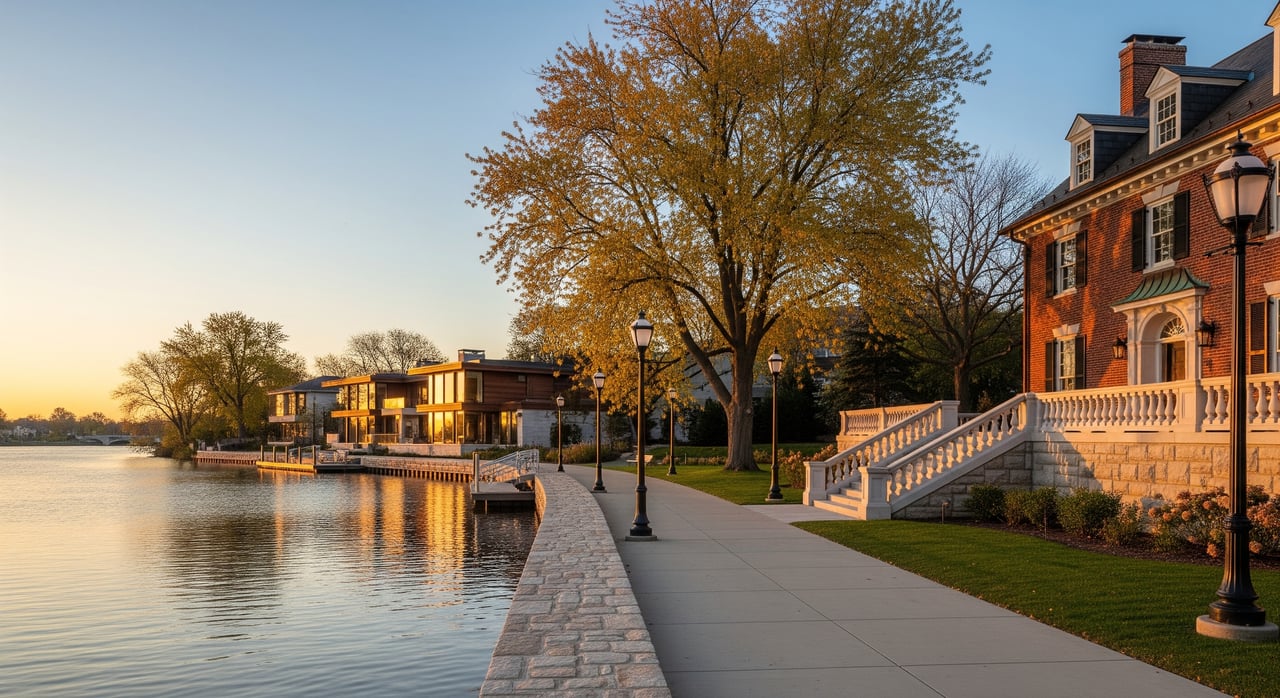
De Pere is split by the Fox River, with each side shaped by development history and access to major roads. Near the river and downtown, you tend to find older, denser neighborhoods and quick access to dining, events and the riverfront. Farther out, you typically see newer subdivisions, larger lots and modern layouts.
Both sides offer parks, schools, and easy reach into the greater Green Bay area. Your decision often comes down to commute patterns, housing style, yard size, and comfort with river-adjacent considerations like flood risk.
Housing styles and age
Near the river and downtown
Neighborhoods close to the river often include earlier-built single-family homes with character features. You may see architectural variety, smaller lots, and a mix of single-family, small condo or townhome pockets. If a walkable setting near restaurants, coffee, and the river appeals to you, focus your search near the downtown corridor on either side of the river.
These areas can include historic housing stock. That can mean distinctive details and unique floor plans. It can also mean older systems, smaller garages, and less yard space compared to newer subdivisions. Review age, recent updates, and inspection reports closely.
Outer subdivisions and cul-de-sacs
As you move away from the river, you’ll typically find post-1970s neighborhoods with more recent construction. Expect larger lots, attached garages, and open floor plans that work well for modern living. Many of these subdivisions were planned with quieter streets and neighborhood parks nearby.
If you value a larger yard, newer mechanicals, or space for hobbies and storage, these areas on either side of the river often line up well. You may also see new or recent builds in developing pockets as the city grows.
Price and affordability
Proximity to the river, downtown amenities, or historic character can carry a premium. On the other hand, homes in newer subdivisions may offer lower price per square foot or more space for the money. Inventory and days on market can vary by neighborhood, not just by east versus west.
To compare true affordability, look beyond list price. Consider taxes, utility efficiency, HOA dues if applicable, and projected maintenance for the age of the home. Request recent tax bills and ask your lender for a full payment estimate so you can compare apples to apples.
Commute and regional access
Your daily routes matter. Bridge crossings over the Fox River can shape travel time, especially during peak hours. If you work in Green Bay or another part of the metro, note which side offers you the most direct access to your primary arterials and whether you can avoid a bridge on most days.
Test-drive your commute from two or three candidate neighborhoods at your actual drive time. Note alternate routes for days when traffic is heavy or when river crossings slow down. If public transit is part of your plan, confirm routes and schedules before you decide.
Parks, trails, and recreation
Riverfront areas tend to offer scenic parks, paths, and boat access to the Fox River. If you enjoy walking or cycling along the water, living closer to the river can make that lifestyle easier. You will also find pocket parks and playgrounds scattered through many neighborhoods.
As you move outward, you often trade river views for neighborhood green space, sports fields, and connections to regional trails. Families may prefer the simpler parking, dedicated play areas, and quieter streets in these park settings. St. Norbert College in De Pere can add cultural events and recreational opportunities within a short drive from many parts of the city.
Everyday conveniences and services
Both sides of De Pere offer daily conveniences like grocery options, pharmacies, and clinics. Larger hospitals and specialized medical services are concentrated in the greater Green Bay area, which remains accessible from either side. If healthcare access is a priority, map drive times to your preferred clinic and hospital during the hours you typically travel.
Retail corridors and big-box shopping are usually located near highway access points or major intersections. If weekend errands are a factor, check how many stops are within a 10-minute drive from your short list of neighborhoods.
Schools and family needs
School attendance boundaries do not always match neighborhood lines. District maps can split nearby streets into different schools, so always verify which elementary, middle, and high school a specific address attends. If before-care, after-care, or preschool is important, look for options close to your daily route.
Focus on fit for your child, including programs, transportation logistics, and activities. Use official district resources to verify assignment and bus routes. Never assume school boundaries from proximity alone.
Flood risk and safety
Homes adjacent to the Fox River may fall within FEMA floodplains. That can affect insurance costs, lending requirements, and permitted improvements. Before you move forward on a river-adjacent property, check FEMA maps, ask for any elevation certificate on file, and speak with your insurer about coverage options.
For any home you consider, confirm the locations of police and fire stations and typical response coverage. If you have questions about past incidents or environmental history, request city or county records and talk to your agent about available reports.
Zoning and development trends
What is planned nearby can change your experience over time. Review city planning documents to see where growth is encouraged, which corridors are slated for improvements, and whether new subdivisions or multifamily projects are approved. Transportation projects can also shift traffic patterns and drive times.
If you are deciding between two neighborhoods, ask about pending plats or commercial proposals. A few targeted questions can help you choose a street that aligns with your long-term plans.
A simple decision framework
Use these questions to quickly align your needs with the right side and neighborhood type.
- What is your commute priority?
- If you want the fastest route to a specific employer or highway, focus on neighborhoods with direct access to your primary arterial and minimal bridge crossings.
- How important is walkable access to shops, restaurants, and the riverfront?
- If you prefer a compact, walkable setting and smaller yard, lean toward downtown-adjacent areas on either side of the river.
- What housing style and age do you prefer?
- If you want character and established blocks, target older homes near the river. If you want lower maintenance and modern layouts, look to newer subdivisions further out.
- How much does yard, garage, or parking matter?
- If you need a big yard, workshop, or larger garage, newer developments often deliver the space you want.
- Which schools will your children attend?
- Confirm attendance boundaries and program offerings for any address you are considering.
- What is your comfort with flood and insurance?
- If you are eyeing river-adjacent homes, factor in floodplain status, insurance, and any mitigation.
- What is your total cost of ownership?
- Compare property taxes, utilities, HOA fees, and likely maintenance for homes of different ages.
- What lifestyle perks matter most?
- If river recreation or college events are a priority, living closer to the river or St. Norbert College can make access simpler.
Sample buyer matches
Here are common buyer profiles and how they often align. Your situation may vary, so verify details address by address.
- Young professional or couple seeking walkability and dining
- Likely fit: downtown-adjacent areas on either side of the river, with options for condos, townhomes, or compact single-family homes.
- Established family prioritizing schools, parks, and yard space
- Likely fit: newer subdivisions with larger lots, nearby playgrounds, and straightforward school assignments.
- Empty-nester or retiree seeking low maintenance and clinic access
- Likely fit: condos or single-level homes close to daily services and quieter streets.
- Commuter to Green Bay or regional employers
- Likely fit: neighborhoods with direct access to major arterials and minimal daily bridge crossings.
How Team Forehand helps you choose
Choosing between East and West De Pere is about trade-offs that feel minor on paper but big in daily life. We help you narrow options with on-the-ground context: real drive-time checks, floodplain verification, recent comps tailored to each micro-area, and side-by-side comparisons of taxes and ownership costs.
You get clarity on the best streets for your commute, realistic maintenance expectations based on year built, and a short list of homes that match your lifestyle. When you are ready, we can preview properties, gather disclosures, and coordinate vendor quotes so you can decide with confidence.
Ready to find your fit in De Pere? Connect with the local team that makes the process clear and efficient. Talk to Team Forehand today.
FAQs
How does the Fox River divide De Pere?
- The Fox River runs north-south through the city, creating east and west sides with different development patterns near the river versus farther out.
Are East and West De Pere prices different?
- Prices vary more by neighborhood, housing age, and proximity to the river or downtown than by a simple east-versus-west split, so compare recent comps for each area.
What about flood insurance near the river in De Pere?
- Some river-adjacent properties may be in FEMA floodplains, which can require insurance; verify status with maps, elevation certificates, and your insurer.
Which side is better for commuting to Green Bay?
- The best side depends on your exact route and bridge crossings; test your commute during peak hours from each neighborhood you are considering.
How do I verify school boundaries in De Pere?
- Use official district attendance maps and confirm with the school district for the specific address before you make an offer.
Where are parks and river access in De Pere?
- You will find riverfront parks and boat access near the Fox River, plus neighborhood parks and trail connections in many subdivisions across both sides of the city.