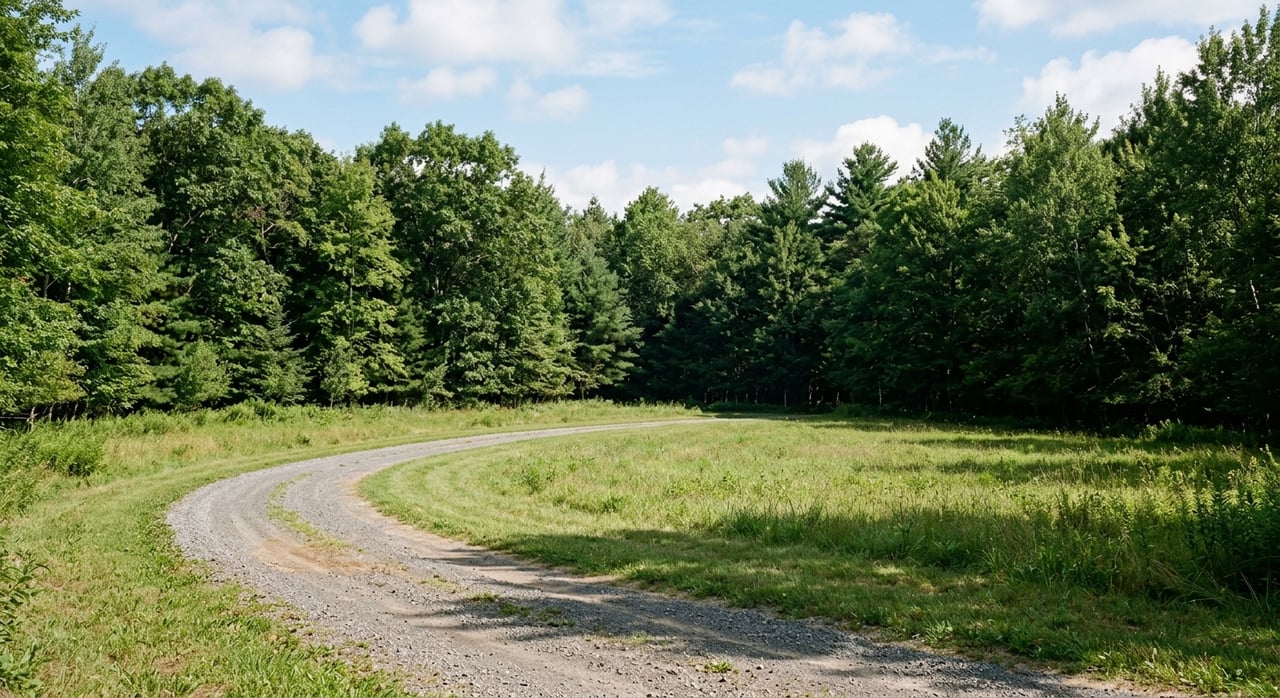
Selling vacant land in Oneida is a different kind of real estate decision. Instead of preparing kitchens, paint colors, or curb appeal, you are often answering questions about access, zoning, surveys, wetlands, and whether the parcel can actually be used the way a buyer hopes. If you want a smoother sale and fewer surprises, it helps to understand what buyers and agents will look at before your property ever reaches the closing table. Let’s dive in.
Why selling land in Oneida is different
In Oneida, land sales tend to be evaluated parcel by parcel. The Town of Oneida states that the entire town lies within the Oneida Indian Reservation boundary, which means title, access, and jurisdiction questions should be reviewed carefully for each property rather than assumed from the address alone.
That local context matters because buyers are not just purchasing dirt. They are trying to understand what the parcel can legally and physically become. In Oneida, that often means looking at county zoning, access, environmental conditions, and any land-use limits before they feel comfortable making a strong offer.
What buyers want to know first
Most land buyers start with one simple question: What can I do with this property? In Oneida, Outagamie County zoning can regulate permitted uses, lot size, road frontage, density, and where structures may be placed on the site.
That makes buildability one of the biggest value drivers. A parcel with clear legal access, usable frontage, and fewer development constraints may attract more attention than a similar piece of land with unanswered questions.
Buildability and permitted use
Outagamie County administers zoning, land division, shoreland, and floodplain rules in unincorporated areas, including Oneida. For sellers, this means buyers may ask for details about what is allowed on the land, whether it meets lot requirements, and whether any county rules could limit future plans.
If you do not have those answers upfront, your listing can still move forward, but buyers may take longer to decide. The more clearly you can document the parcel’s current status, the easier it is for a buyer to evaluate the opportunity.
Access and road frontage
Access is a major issue in vacant-land sales. Wisconsin’s vacant land offer form specifically calls out legal access, private rights-of-way, easements, and access restrictions, and Outagamie County requires highway permits for new or changed access on county trunk highways.
If your parcel does not have obvious frontage or a recorded driveway arrangement, expect questions early. Buyers usually want to know not only whether they can reach the property, but whether that access is legal, recorded, and practical for the use they have in mind.
Septic, well, wetlands, and floodplain
Buyers also want to understand whether the property has or can support basic site services. Outagamie County serves as the designated agency for sanitary permits and on-site waste disposal system records, while the Wisconsin DNR provides well-report searches and notes that maps are only guides.
Wetlands and floodplain issues can also shape value and marketability. The DNR recommends not planning to buy property to build in mapped wetlands or regulatory floodplain, and county planning materials note that these conditions can limit development.
How land is priced in Oneida
Vacant land is usually priced by comparing parcels with similar characteristics, not just by using nearby sales on a map. In practice, the most useful comparisons line up on acreage, legal description, frontage and access, zoning, survey status, topography, and environmental constraints.
That is why land pricing can feel less obvious than home pricing. Two parcels with similar size can have very different value if one has clearer access, fewer wetland limitations, or better documentation.
County records matter
Outagamie County’s property listing office maintains parcel ownership, legal descriptions, addressing, and assessment records, and current and prior tax and assessment rolls are available through county records and open-data tools. These records are often the foundation for reviewing comparable parcels.
Assessment records are helpful, but they are only one part of the picture. Buyers and agents still need to weigh what the parcel offers in terms of legal use, physical usability, and any restrictions that could affect future plans.
Tax treatment can affect value
For agricultural or rural acreage, tax classification can matter just as much as asking price. The Wisconsin Department of Revenue says agricultural classification depends on actual qualifying agricultural use, and a conversion charge may apply if land changes from agricultural use to another use.
The Vacant Land Disclosure Report also asks whether the property is enrolled in farmland preservation, Forest Crop, Managed Forest Law, Conservation Reserve, or a similar program. If your land falls into one of these categories, that information may influence buyer interest and planning.
Documents that help your land sell
Land listings work best when they are supported by clean, organized information. Since Wisconsin licensees must inspect accessible vacant land but are not required to walk every acre, listing preparation often relies heavily on maps, title work, surveys, and land-use documents.
Useful documents to gather before listing include:
- The current deed
- Survey or Certified Survey Map, if available
- Recent tax bill
- Easement or access records
- Driveway or road access information
- Well records, if any
- Septic or sanitary records, if any
- Wetland or floodplain documents
- Agricultural-program paperwork, if applicable
Having these materials ready can help reduce delays once a buyer starts due diligence. It also shows that you are serious, transparent, and prepared.
When a parcel split may be needed
Some sellers in Oneida are not selling an entire holding. They may want to carve off part of a larger parcel for sale, exchange, or estate planning reasons. In those cases, a Certified Survey Map, or CSM, may be part of the process.
Wisconsin’s CSM process can be used to divide land for sale or to clarify metes-and-bounds descriptions. Outagamie County notes that a CSM is required for town parcels when the split creates fewer than five lots, but it also warns that not every property can be divided through a standard CSM.
Why a split can extend your timeline
Outagamie County uses a two-step CSM process with preliminary and final review. The preliminary review looks at environmental, regulatory, access, and other site conditions.
If wetlands, sanitation, or highway access are involved, permit steps can add time. DNR wetland identification services also are not instant and usually respond in 60 days or less, so a parcel split can make your sale timeline more variable than a typical home transaction.
The paperwork and closing process
Wisconsin has specific forms for vacant-land transactions, including a vacant land listing contract and the WB-13 Vacant Land Offer to Purchase. For many land sales, owners of real property without buildings must furnish a Vacant Land Disclosure Report, and the form says it should be delivered within 10 days after acceptance, although some court-appointed fiduciary sales are exempt.
This is especially important if you are selling inherited land or handling an estate. In those situations, it is smart to confirm early what disclosure obligations apply and who has authority to sign.
What closing usually includes
Under the WB-13 form, title, recording, transfer-fee obligations, and deadlines are part of the standard transaction process. The form states that the seller normally completes the documents needed to record the conveyance and pays the Wisconsin Real Estate Transfer Fee.
Title evidence and gap coverage are also addressed in the standard paperwork. In plain terms, even a simple land deal usually involves more document review than many sellers expect.
Special care for inherited or complex land sales
Land sales can become more involved when the property is inherited, owned in trust, or held by an entity. In those cases, sellers should have counsel review title authority, disclosure exemptions, and tax implications before the property is marketed.
That caution is especially helpful in Oneida, where parcel conditions can vary and local jurisdiction may involve county zoning, reservation boundaries, and in some cases Oneida Nation land-management procedures. A little preparation on the front end can prevent a deal from stalling later.
How to prepare before listing your parcel
If you want to give your land sale the best chance of moving smoothly, focus on clarity before marketing begins. Buyers are often underwriting the parcel’s buildability, access, and restrictions, not just its size.
A strong pre-listing plan usually includes:
- Confirming the legal description and ownership details
- Gathering survey, deed, tax, and access documents
- Checking whether a parcel split is needed
- Identifying any wetlands, floodplain, septic, or well questions
- Reviewing easements, covenants, or recorded restrictions
- Preparing for disclosure requirements early
This kind of prep helps you price more confidently, answer buyer questions faster, and avoid last-minute surprises.
If you are selling land in Oneida, especially inherited property, rural acreage, or a parcel with access or split questions, working with a local team can make a real difference. Team Forehand brings hands-on guidance, clear communication, and practical problem solving to complex property sales across northeast Wisconsin.
FAQs
What makes selling land in Oneida, Wisconsin different from selling a house?
- Land buyers usually focus on zoning, access, wetlands, floodplain, surveys, and legal use rather than home condition or interior features.
What documents should you gather before selling land in Oneida?
- Start with the deed, survey or CSM, tax bill, easement records, access information, and any available well, septic, wetland, floodplain, or agricultural-program documents.
Does a land seller in Oneida need to provide a disclosure report?
- In many Wisconsin vacant-land sales, the owner must provide a Vacant Land Disclosure Report, and the standard form says it should be delivered within 10 days after acceptance, though some fiduciary sales are exempt.
Can you split a parcel before selling land in Oneida?
- Possibly, but the process depends on the property; Outagamie County uses a Certified Survey Map process for certain town parcel splits, and not every property qualifies for a standard CSM.
What do buyers ask about access for Oneida land?
- Buyers often want to know whether the parcel has legal access, road frontage, easements, private rights-of-way, or permit needs for a new or changed access point.
How do wetlands or floodplain issues affect land sales in Oneida?
- These conditions can limit development and may affect buyer interest, value, and timing, especially if additional review or identification is needed.
Does reservation boundary location matter when selling land in Oneida?
- Yes, because the Town of Oneida says the entire town lies within the Oneida Reservation boundary, so title, access, jurisdiction, and land-management questions should be reviewed for the specific parcel.