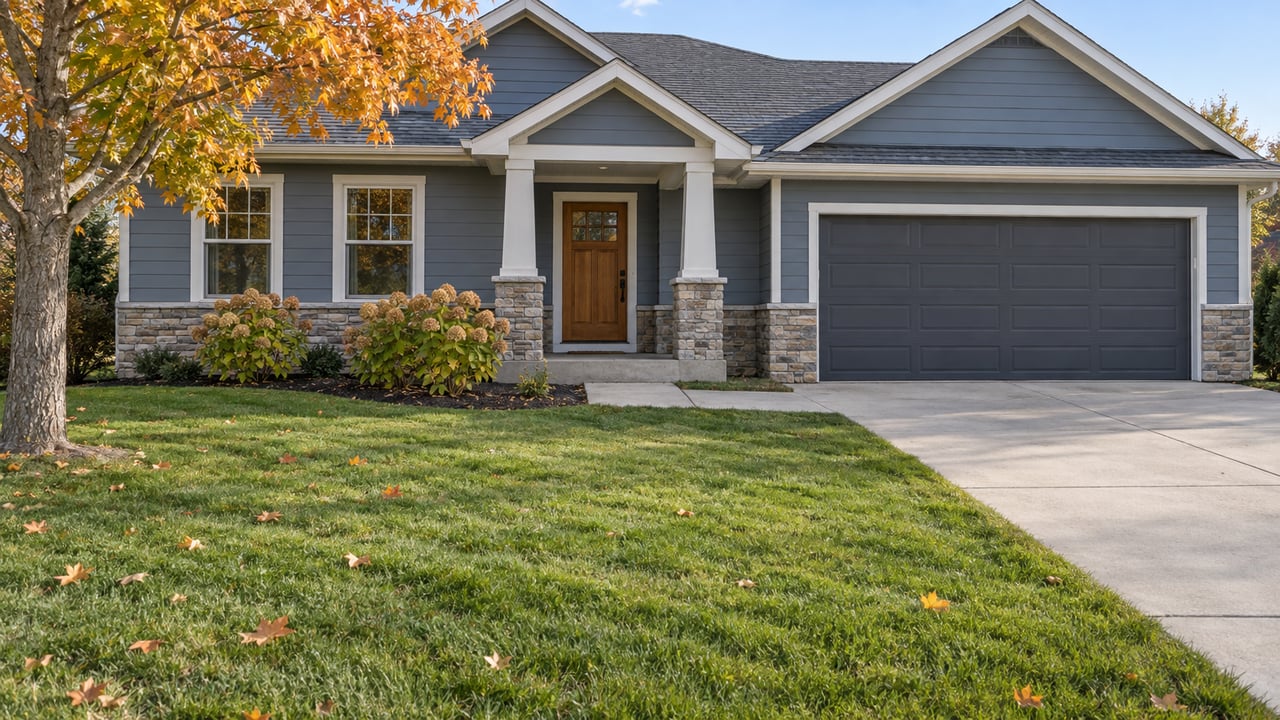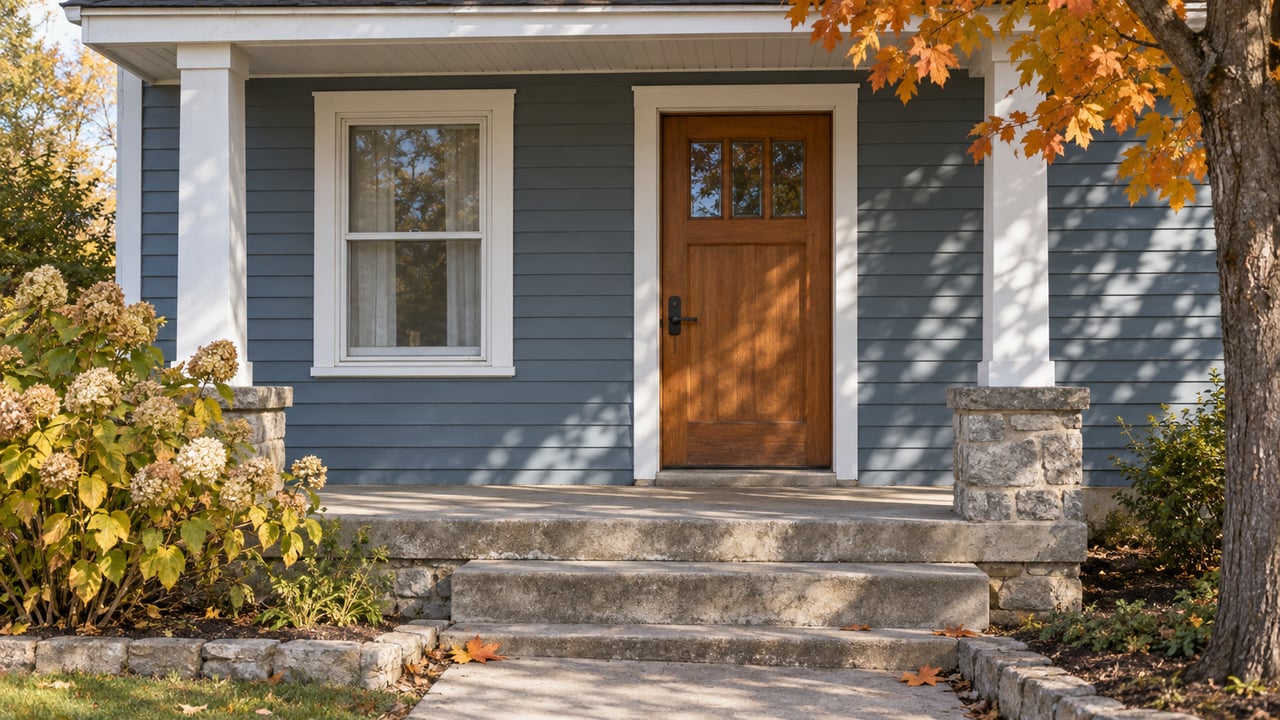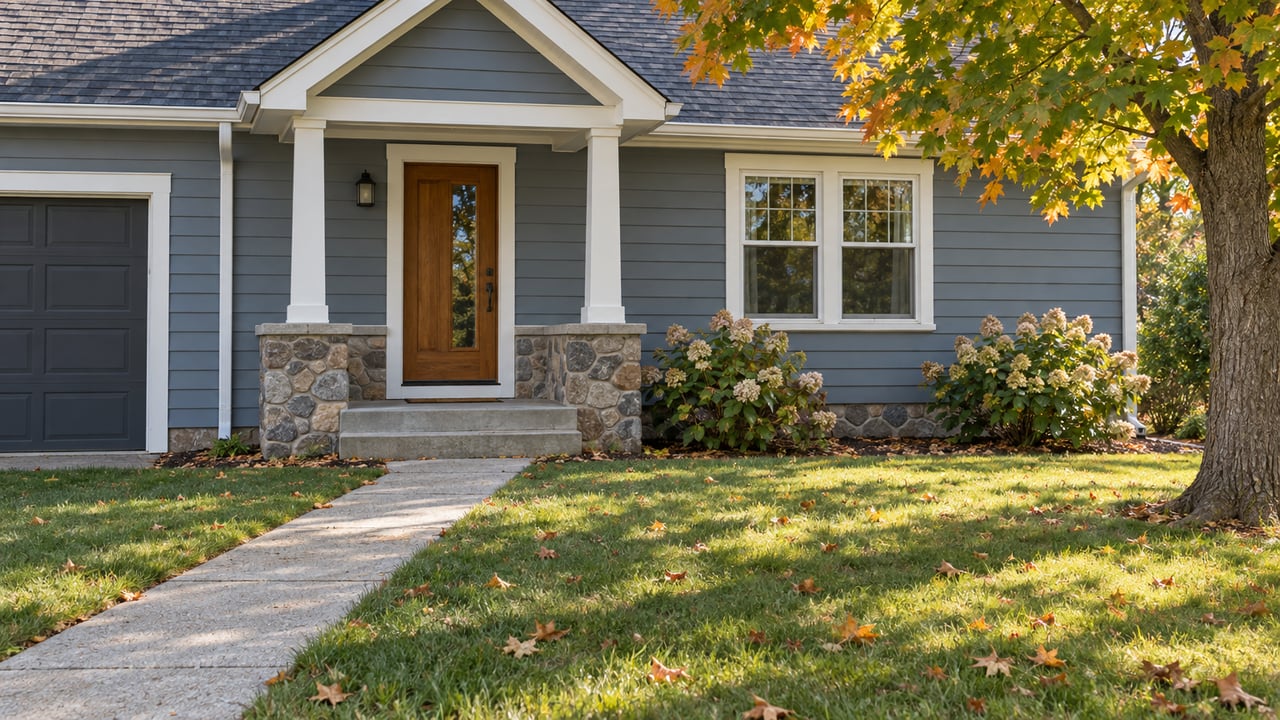
Buying a home in Oneida can feel exciting right up until the inspection report lands in your inbox. Suddenly, simple questions turn into bigger ones: What is normal, what is serious, and what should you do next? If you are getting ready to buy in Oneida, understanding how a Wisconsin home inspection works can help you stay calm, ask better questions, and make confident decisions. Let’s dive in.
Why inspections matter in Oneida
Oneida has a more small-town and rural feel than a dense urban market. The Town of Oneida reports 4,678 residents as of 2024 across 60.8 square miles, which means homes may come with features like longer driveways, more weather exposure, and in some cases private utilities.
That local setting can shape what buyers should pay close attention to during the inspection period. Depending on the property, you may need to think beyond the house itself and look at items like drainage, exterior wear, private wells, or onsite wastewater systems.
What a Wisconsin home inspection covers
In Wisconsin, a home inspection is a visual examination of observable and readily accessible systems and components. The inspector is expected to perform a reasonably competent and diligent inspection, but it is not technically exhaustive and does not require dismantling parts of the home.
A standard inspection generally covers a wide range of major components, including:
- Foundation and structural components such as columns and flooring
- Roof systems and exterior surfaces
- Plumbing systems
- Electrical service, panels, and related components
- Interior areas
- Heating systems
- Central air conditioning
- Insulation and ventilation
The written report is also important. Wisconsin requires the report to identify what was inspected, describe conditions and defects, note material adverse facts, and summarize defects, repair items, items needing further evaluation, items to monitor, and maintenance items.
What a standard inspection does not cover
This is the part many buyers do not realize until after they read the report. A standard home inspection has clear limits under Wisconsin rules.
Inspectors are not required to inspect items such as paint or wallpaper, carpeting, household appliances, most outbuildings other than garages or carports, geological or soil conditions, onsite water quantity or quality, or onsite disposal systems. They also do not have to determine whether water or waste systems are public or private.
That means a clean-looking report does not automatically answer every question about the property. In Oneida, where some homes may have private well or septic arrangements, that distinction matters.
Oneida buyers should watch weather-related issues
Northeast Wisconsin weather plays a big role in home maintenance. Green Bay averages 55.6 inches of snow per year based on 1991 to 2020 climate normals, so buyers in Oneida should be ready for inspection comments related to snow, moisture, and seasonal wear.
That does not mean every home has major defects. It simply means certain items deserve extra attention because inspectors are already reviewing roofs, exteriors, interiors, and insulation and ventilation.
Roofs and flashing
Roof wear and flashing issues are worth watching closely in this area. Snow and ice can add stress over time, and any weak points around roof penetrations or transitions can raise concerns about water entry.
If the inspector notes damaged shingles, worn flashing, or signs of previous patching, that does not always mean the deal is in trouble. It does mean you should ask whether the issue appears active, how broad it is, and whether a roofing contractor should take a closer look.
Attic ventilation and insulation
Attic ventilation deficiencies often show up in colder climates. Poor airflow can contribute to moisture buildup, uneven roof performance, and signs of wear that may become more noticeable over time.
Your inspection may also mention insulation levels or ventilation conditions. These comments are often useful because they can point to comfort, efficiency, and moisture-management issues, even when there is no urgent repair.
Water intrusion signs
In a snowy region, signs of water penetration deserve prompt attention. Staining, damp areas, or moisture-related notes in the attic, ceilings, walls, or basement can signal an issue worth investigating further.
The key is to separate old evidence from active problems. Ask the inspector whether the condition appears current, where the likely source may be, and whether a specialist should evaluate it.
Wells and septic often need separate inspections
For some Oneida properties, the standard home inspection is only one part of your due diligence. If the property uses a private well or a private onsite wastewater treatment system, you should expect separate follow-up.
Wisconsin treats these as separate programs, not as part of the ordinary visual home inspection. That is a big reason buyers should confirm utility details early in the transaction.
Private well considerations
If a home has a private well, Wisconsin DNR says a buyer or seller may choose a property-transfer well inspection, but state law does not require one. If that inspection is performed, it must be completed by a licensed water well driller or licensed pump installer.
The DNR also recommends annual testing for bacteria and nitrate for private-well users. In Outagamie County, it also recommends arsenic testing every year.
For a buyer, this means water questions usually need their own plan. A standard home inspection does not test water quality or quantity, so if the property relies on a private well, it is smart to discuss separate testing right away.
Septic and POWTS follow-up
Private onsite wastewater treatment systems, often called septic or POWTS systems, are regulated separately in Wisconsin. Since home inspection standards do not require inspection of onsite disposal systems, buyers often need a separate specialist when a property is not connected to a municipal sewer system.
If the home you are buying has a private system, ask early what documentation is available and whether a separate evaluation should be scheduled. That extra step can help you avoid last-minute surprises.
Older homes may need lead follow-up
If you are buying a home built before 1978, lead should be on your radar. Wisconsin DHS says lead can be found in paint, dust, soil, and plumbing in older homes and buildings.
Federal disclosure rules also give buyers a 10-day window to arrange a lead-based paint inspection or risk assessment. If you are considering an older Oneida home, it helps to decide quickly whether you want that added level of review during your contingency period.
How to read an inspection report without panicking
Almost every inspection report looks longer and scarier than buyers expect. That is normal because inspectors are trained to document visible defects, maintenance concerns, and items that may need monitoring or further evaluation.
The most helpful approach is to focus on priorities, not perfection. Even well-maintained homes usually come with a list of repairs, updates, or maintenance items.
A simple way to prioritize issues
When you review the report, start by separating the findings into three buckets:
- Health and safety concerns
- Major system or structural concerns
- Routine maintenance or minor repairs
In Oneida, the highest-priority items often include active leaks, roof or flashing defects, structural movement, electrical hazards, heating and cooling failures, and any well or septic follow-up that needs a licensed specialist.
This kind of sorting can make the report feel much more manageable. It also helps you decide what to ask for, what to budget for later, and what may not need action right now.
What buyers can do after the inspection
If possible, attend the inspection so you can hear the inspector’s comments in real time and ask follow-up questions. After you receive the report, you can use it to decide whether to request repairs, ask for a credit, or move on if your inspection contingency allows it.
The right response depends on the property, the seriousness of the findings, and your comfort level as a buyer. In many cases, the goal is not to get a perfect house. It is to understand the home clearly enough to make a sound decision.
How Team Forehand helps during inspection season
Inspection periods move fast, and that is where steady guidance matters. A local team can help you stay focused on the big picture, coordinate next steps, and keep small issues from becoming unnecessary stress.
At Team Forehand, the approach is practical and responsive. If you are buying in Oneida or elsewhere in northeast Wisconsin, you can lean on local insight, clear communication, and hands-on support as you sort through inspection findings and decide what comes next.
If you are preparing to buy and want clear guidance from a local team that values responsiveness and problem solving, reach out to Team Forehand.
FAQs
What does a home inspection cover in Oneida, Wisconsin?
- A Wisconsin home inspection generally covers observable and readily accessible parts of the home, including the foundation, structure, roof systems, exterior, plumbing, electrical, interior, heating, central air conditioning, and insulation and ventilation.
What is not included in a standard Oneida home inspection?
- A standard inspection does not have to cover items like household appliances, carpeting, paint, wallpaper, most outbuildings, soil conditions, water quality or quantity, or onsite wastewater systems such as septic or POWTS.
Should buyers in Oneida get a separate well inspection?
- If the property has a private well, a separate inspection or testing plan may be a smart step because standard home inspections do not test water quality or quantity. Wisconsin allows property-transfer well inspections, and they must be done by a licensed water well driller or licensed pump installer.
Do buyers in Oneida need a separate septic inspection?
- If the property uses a private onsite wastewater treatment system, buyers often need a separate specialist because Wisconsin home inspection standards do not require septic or POWTS inspections.
What inspection issues are common in the Oneida area?
- Buyers in the Oneida area should be ready to discuss roof wear, flashing problems, attic ventilation concerns, and signs of water intrusion because those items are especially relevant in a snowier northeast Wisconsin climate.
What should buyers do after a home inspection in Oneida?
- Buyers should review the report by priority, focusing first on health and safety concerns, major system issues, and licensed-specialist follow-up items, then decide whether to request repairs, ask for a credit, or move forward based on the inspection contingency.